

On the 12th December is Universal Health Coverage Day, a global movement aiming for all people to have access to the full range of quality health services they need, when and where they need them, without financial hardship. It covers the full continuum of essential health services, from health promotion to prevention, treatment, rehabilitation and palliative care across the life course.
According to Universal Health Coverage Day, "more than half the world's population still lacks access to essential health services. And a quarter of them face financial hardship when paying for health care out of their own pockets, often at the expense of food, education or housing. The 2025 campaign theme focuses on the lived experience behind these statistics, reminding government decision-makers that unaffordable health costs are making our communities poorer and sicker and holding us back on all of the Sustainable Development Goals."
In the UK, we are very fortunate to have the NHS, which delivers high-quality services for patients and best value for taxpayers. However, not every country benefits from such organisations. With global citizens facing unbalanced healthcare systems, are there other non-governmental tools that can help them receive medical treatment?
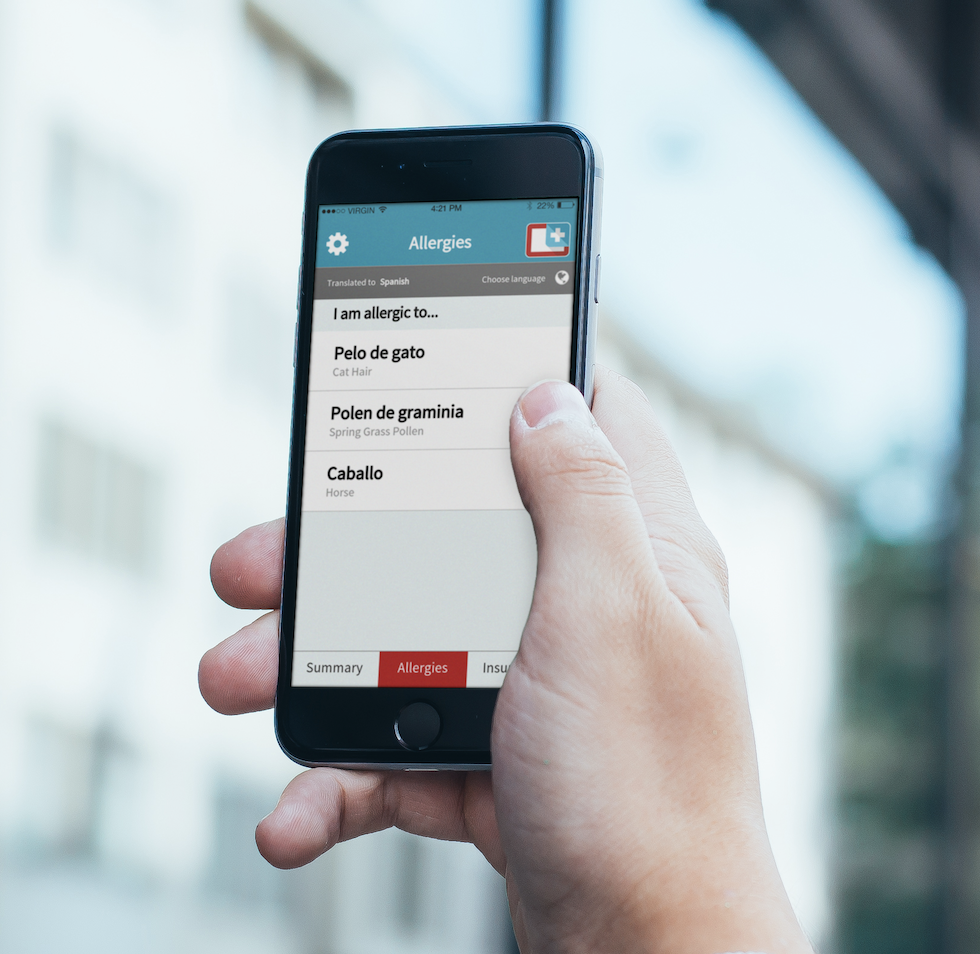
The World Medical Card was established as an affordable, accessible tool to help anyone communicate their health status worldwide. It was invented to prevent delays and improve the accuracy of medical treatment worldwide. The mission is to enhance communication between medical professionals and people with medical conditions. The World Medical Card provides a comprehensive membership solution, including a physical card and a secure app, for individuals. Trond Rørnes, Managing Director, said, "Our vision is that nobody dies because of a lack of critical medical information, and our mission is to provide our members with lifesaving information to give them peace of mind."
Anyone can sign up for WMC membership. It's affordable and offers more than standardised medical ID cards or smartphone health apps. Dr Ivar Risnesm, PhD., from Oslo University Hospital in Norway, explains, "The World Medical Card provides immediate, standardised insight into a patient's most important health details — diagnoses, medications, allergies, and emergency contacts. This information can be the difference between correct and incorrect treatment whenever seconds count. With the World Medical Card, healthcare personnel face fewer language barriers, reduced uncertainty, and a safer foundation for making rapid and precise decisions. I recommend the World Medical Card for everyone — even for individuals without known medical conditions. Sometimes, even basic information can be lifesaving in an emergency."
According to WHO, "Universal Health Coverage is firmly based on the 1948 WHO Constitution, which declares health a fundamental human right and commits to ensuring the highest attainable level of health for all. As a foundation for UHC, WHO recommends reorienting health systems towards primary health care (PHC). In countries with fragile health systems, WHO focuses on technical assistance to build national institutions and service delivery to fill critical gaps in emergencies. In more robust health system settings, WHO drives public health impact towards health coverage for all through policy dialogue for the systems of the future and strategic support to improve performance."
On Universal Health Coverage Day, WMC stands with the campaigners because every human being deserves accurate medical treatment regardless of their financial situation.